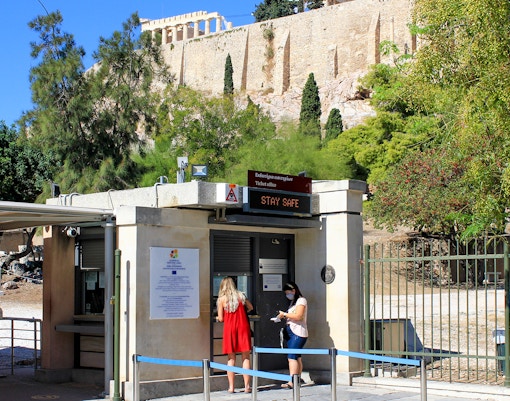
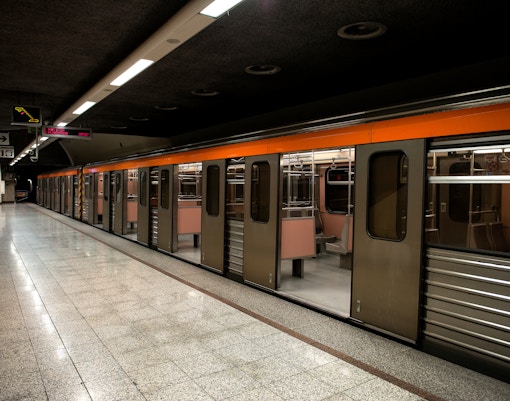
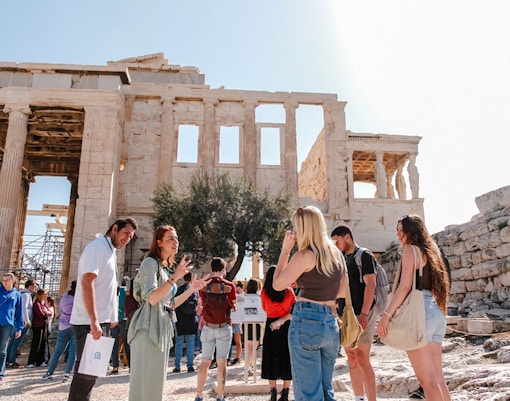
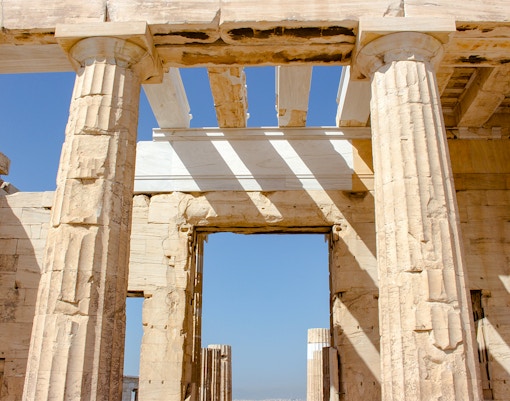
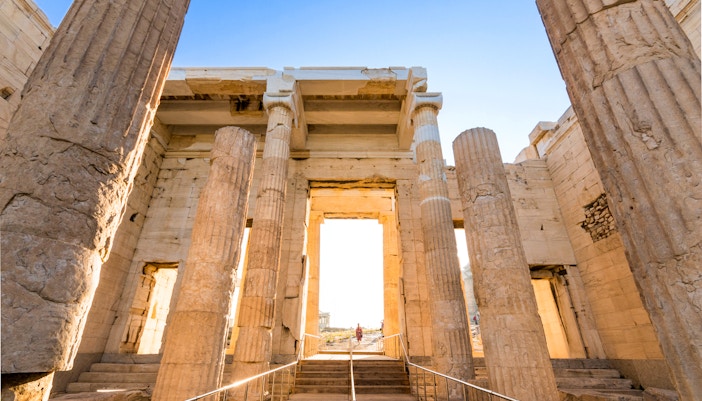
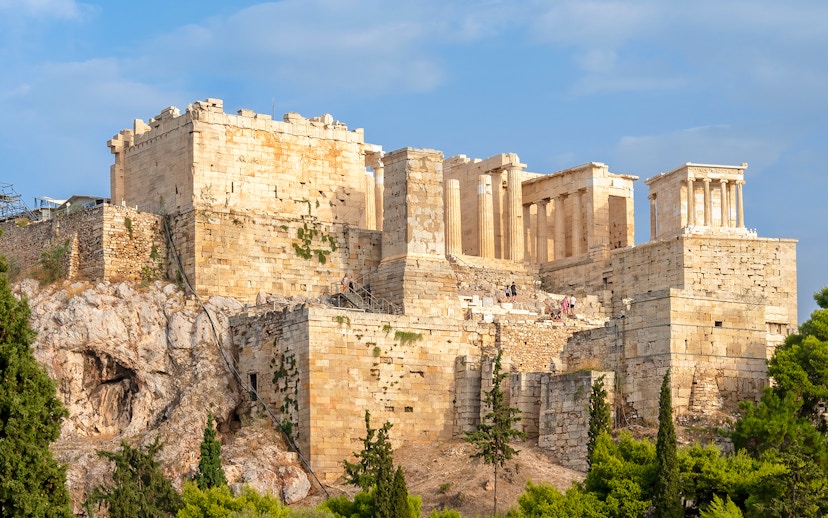
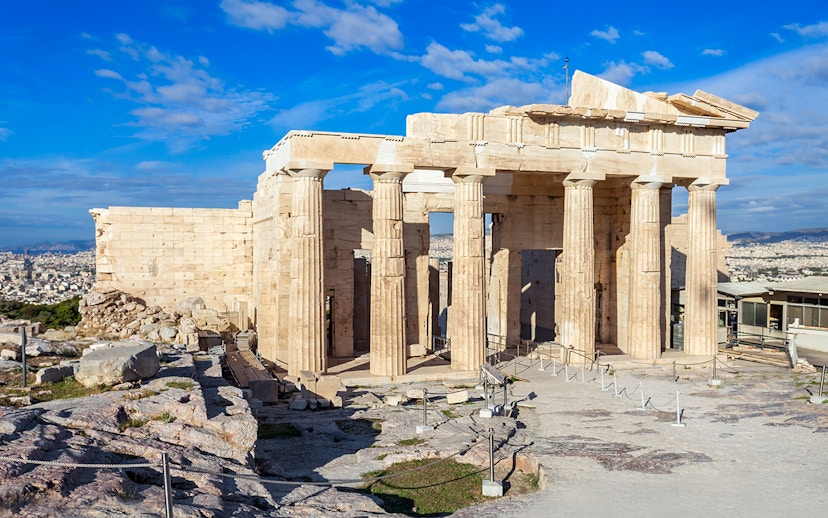
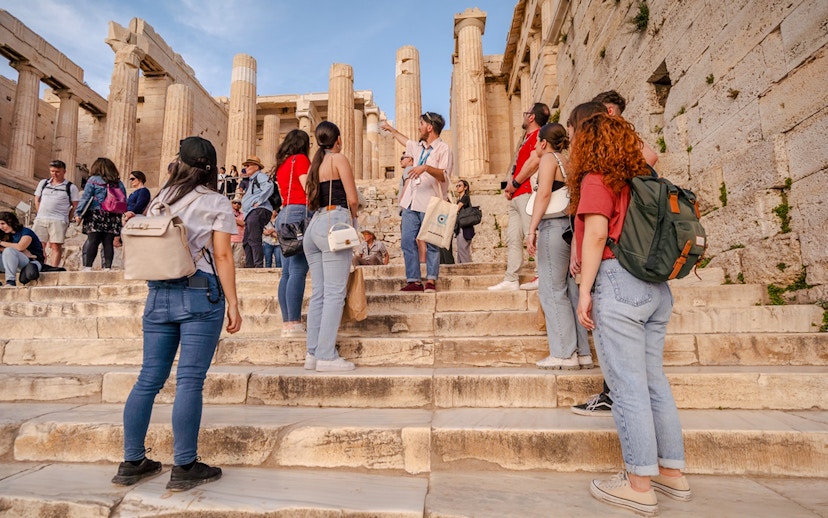
The grand marble gateway leading onto the Acropolis plateau.
What to look out for: The sweeping marble stairway, ornate coffered ceilings with faded paint, and the first framed view of the Parthenon.
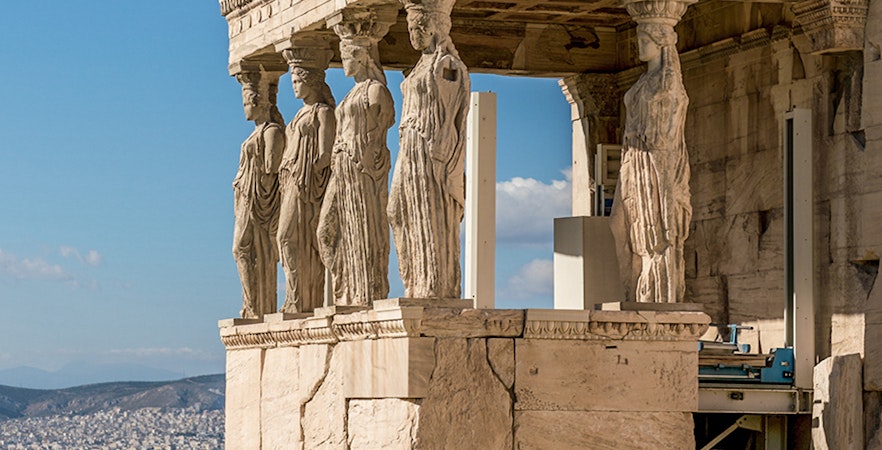
| Visit type | Duration | Route | What you get |
|---|---|---|---|
Snapshot visit | 1.5–2hrs | Propylaea (Main Gate) → Parthenon → Erechtheion → Theatre of Dionysus → Herodes Atticus Theatre | A focused, classic circuit hitting the Acropolis’ crown jewels first, with sweeping city views and minimal detours |
Half-day classic | 3–4hrs | Propylaea → Parthenon & Erechtheion → Theatre of Dionysus → Herodes Atticus Theatre → Exit via Ancient Agora | The quintessential experience, major landmarks first, then a scenic descent through Plaka’s charming alleys and cafés |
Full-day immersion | 6+ hrs | Acropolis → Propylaea → Parthenon & Erechtheion → South Slope → Ancient Agora → Acropolis Museum | A full narrative of Athens’ Golden Age, combining temples, theatres, and artifacts, expect ~10,000 steps and a complete sense of the city’s history |
| Ticket type | What’s included | Best for | |
|---|---|---|---|
Standard entry | Access to Acropolis, available for onsite purchase | Last minute planners who do not want to be tied to a fixed time-slot | ~€30 |
Skip-the-line | Timed entry + No ticket queue + Optional audio guide | Those looking for a self-paced visit with no queue hassle | ~€35 |
Guided tour (group) | Fast-track entry + English speaking guide | Visitors looking for an immersive experience | ~€34 |
Guided tour (private) | Fast-track entry + Guide + Group of 12 guests + Customized itinerary | Best for groups wanting exclusivity with enriching experience | ~€440 |
Combo / multi-site | Access to Acropolis + Parthenon + Acropolis Museum | Those looking for maximum exploration at a cost-effective price | ~€64 |
Mega pass | Entry to Acropolis + 2 day Hop-on-hop-off bus tour + up to 3 stops of your choice | Relaxed and flexible experience of key landmarks in Athens | ~€79 |
| Day | Opening hours | Last entry |
|---|---|---|
1 April – 31 August | 8am to 8pm | 7:30pm |
1 Sept – 15 Sept | 8am to 7:30pm | 7pm |
16 Sept – 30 Sept | 8am to 7pm | 6:30pm |
1 Oct – 15 Oct | 8am to 6:30pm | 6pm |
16 Oct – 31 Oct | 8am to 6pm | 5:30pm |
1 Nov – 31 Mar | 8am to 5pm | 4:30pm |
| Entrance name | Location | Who it’s for | Crowds & wait times |
|---|---|---|---|
Main entrance (West Gate, Dionysiou Areopagitou Street) | Near Acropolis Metro Station, by the base of the Propylaea | General visitors, skip-the-line tickets, and most guided tours | Longest queues (20–60 min in summer); main entry for all group tours. |
Southeast entrance (near the Acropolis Museum) | Junction of Makrygianni Street and Dionysiou Areopagitou | Independent visitors, skip-the-line tickets, museum + Acropolis combos | Shorter waits (~15–30 min); ideal for early arrivals and those combining museum entry. |
North entrance (restricted) | Near the Ancient Agora and Areopagus Hill | Limited access for groups/exits only | Often used as an exit route; not always open for entry. |
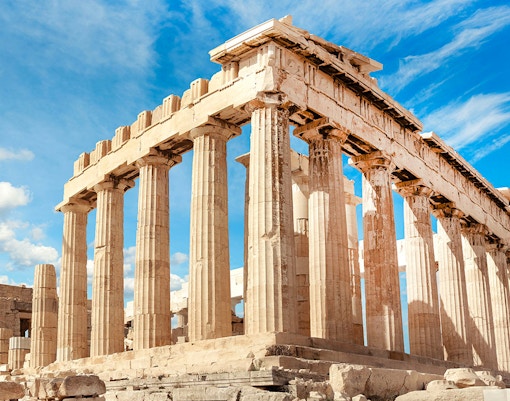
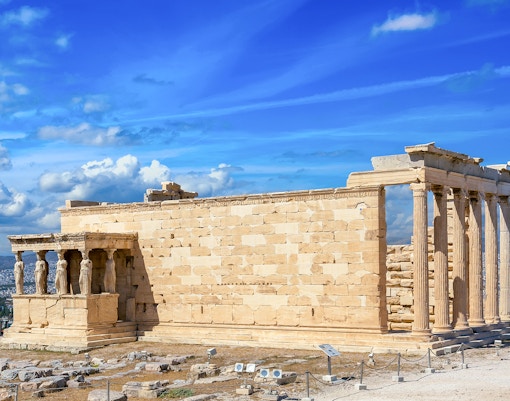
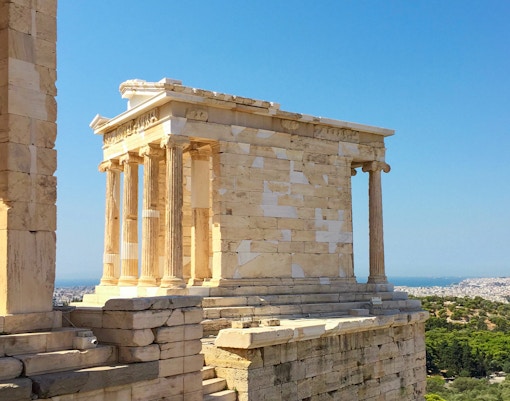















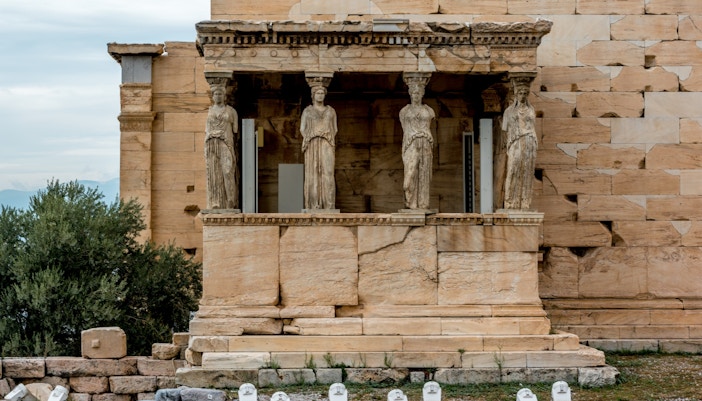
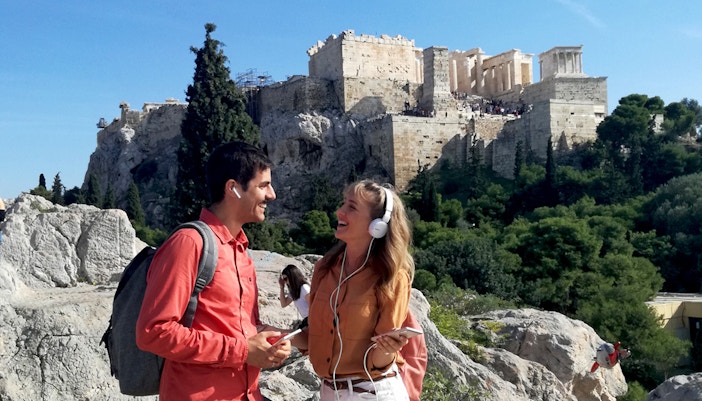
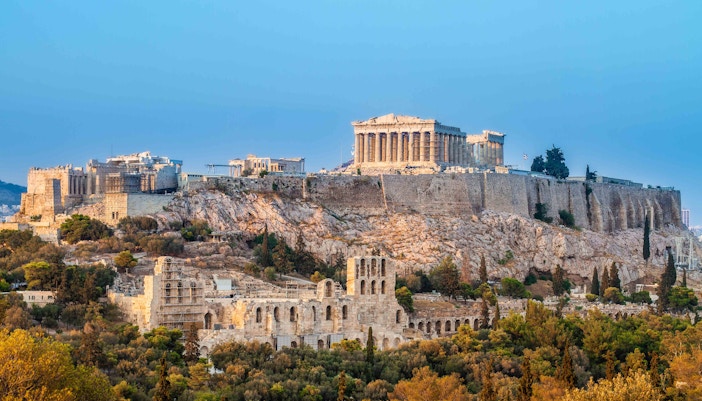

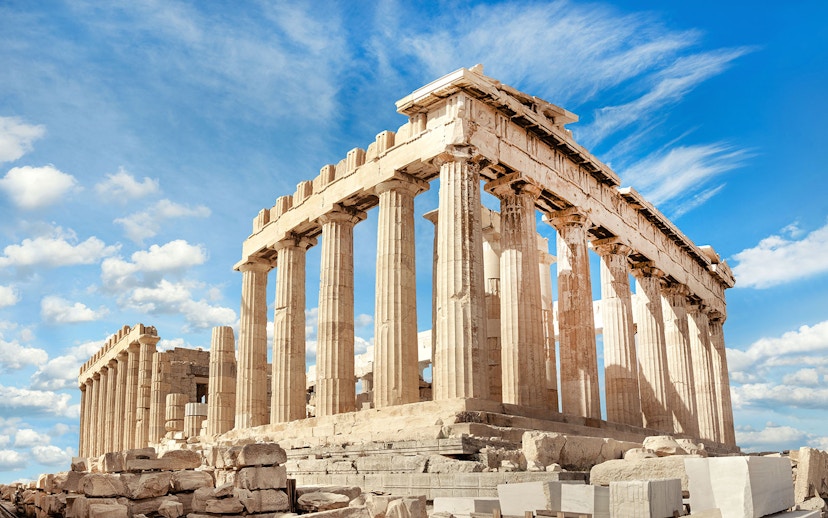
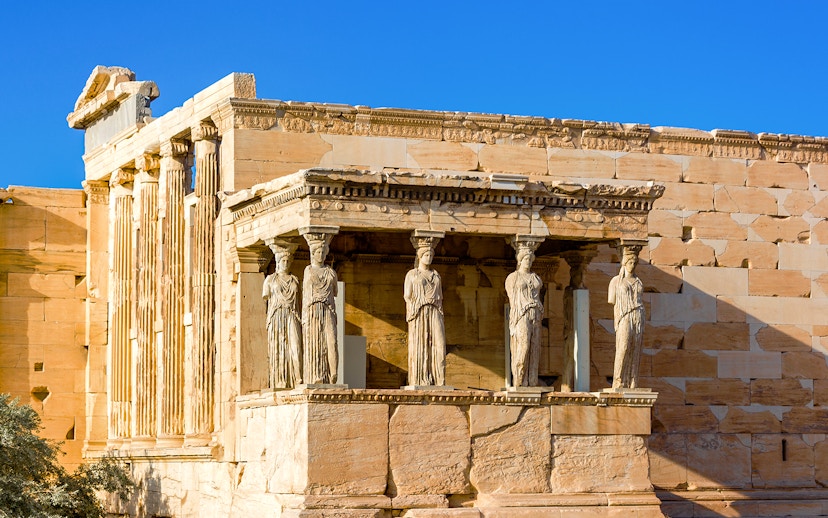
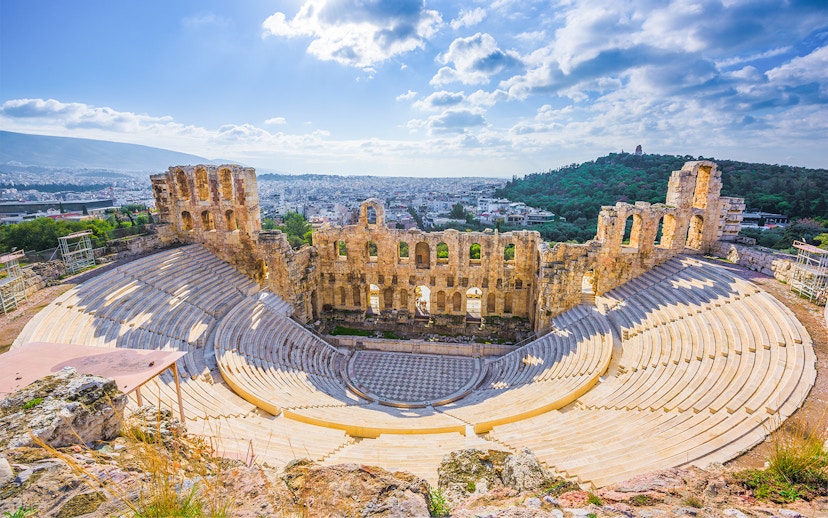

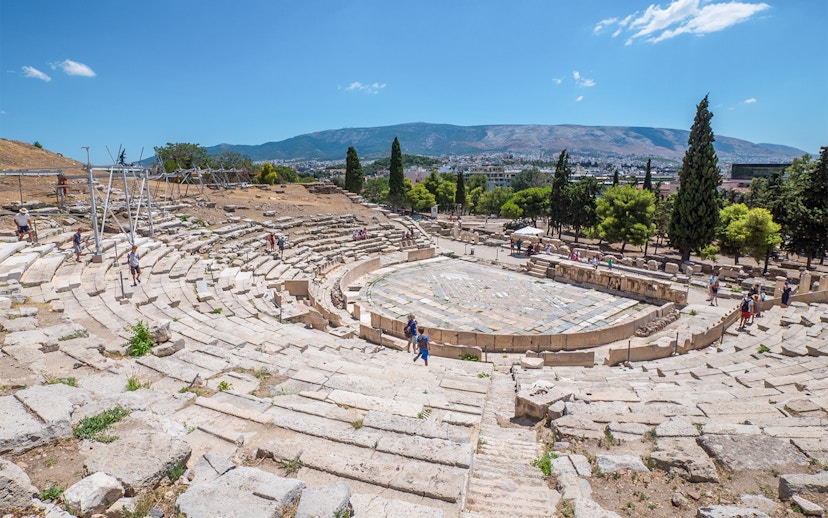
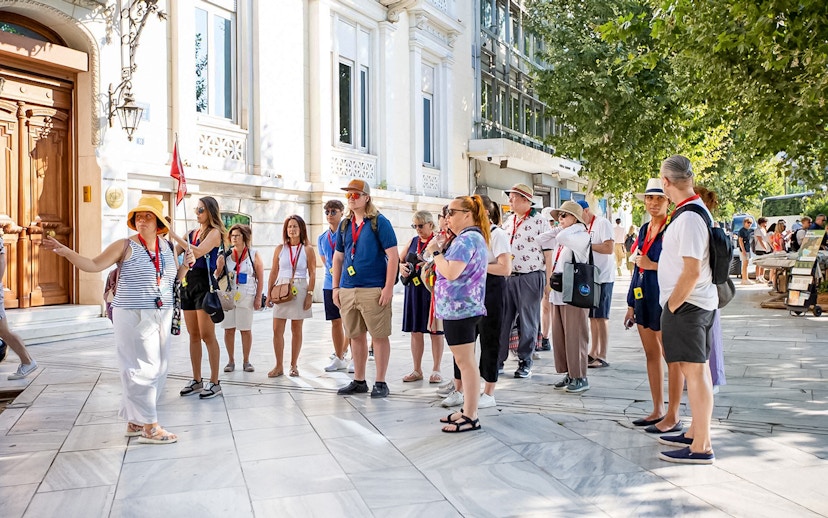

Explore Athens’ top landmarks with expert-guided tours, self-guided options, and multilingual audio guides that offer detailed historical insights.
Inclusions #
Timed entry to the Acropolis
2-hour expert-guided tour (based on option selected)
Self-guided tour of the Acropolis (based on option selected)
Historian-crafted audio guide available in English, French, German, Spanish & Italian (based on option selected)
Athens Old Town (Plaka) audio guide (based on option selected)
Entry to Acropolis Museum (based on option selected)
Offline access, audio narration & an online map (based on option selected)
Attractions covered:
The Acropolis
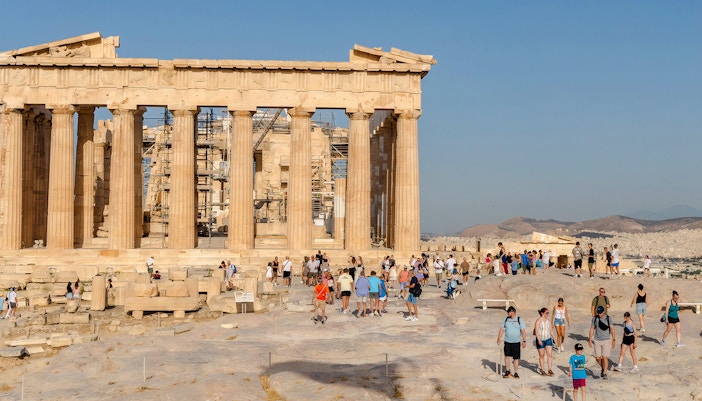
The Parthenon
Temple of Athena Nike
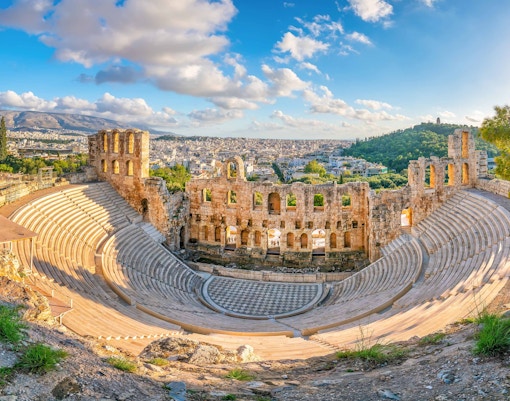
Odeon of Herodes Atticus
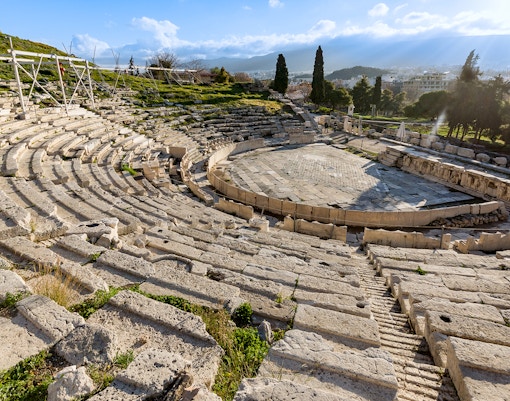
Theater of Dionysus Eleuthereus
Erechtheion
Propylaea
Athens Old Town (Plaka) (based on option selected)
Acropolis Museum (based on option selected)
Acropolis Museum's underground excavation of an ancient neighborhood (based on option selected)
Exclusions #
Transfers
Food & drinks
Mobile device for audio app
Concession eligibility:
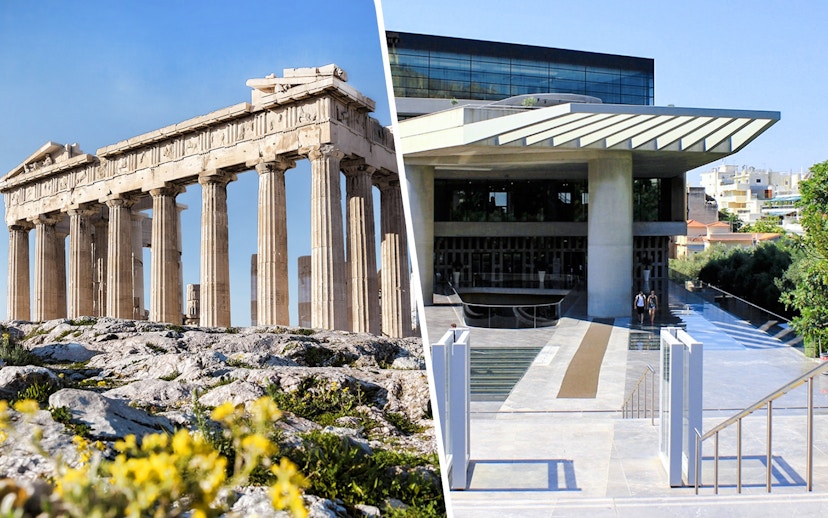
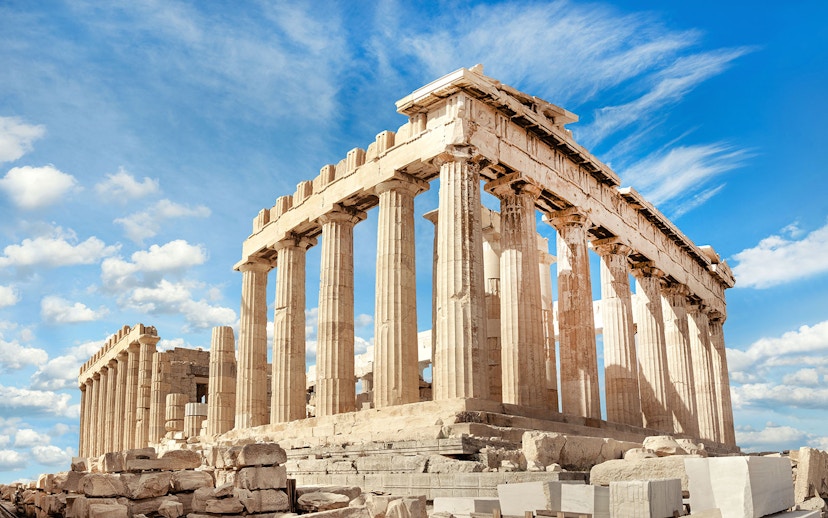
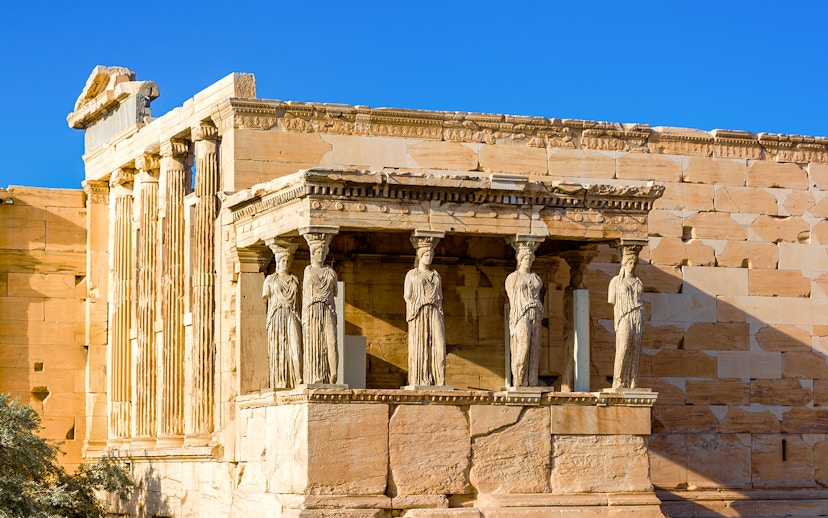


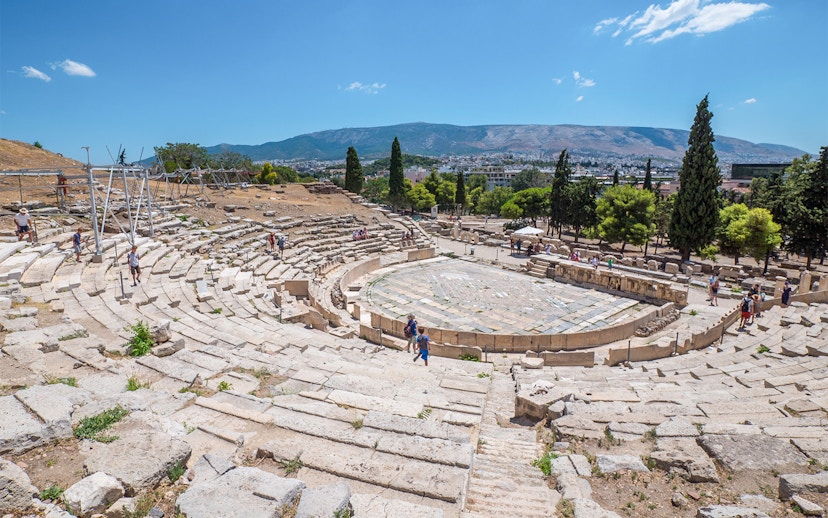
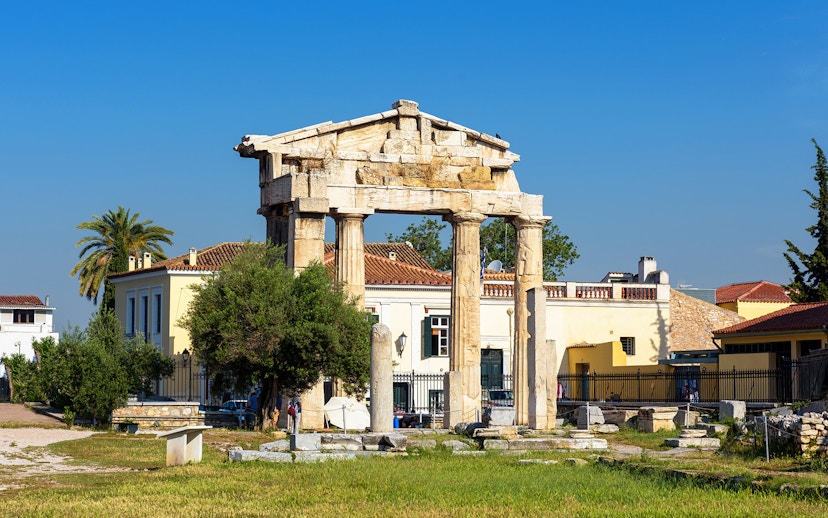

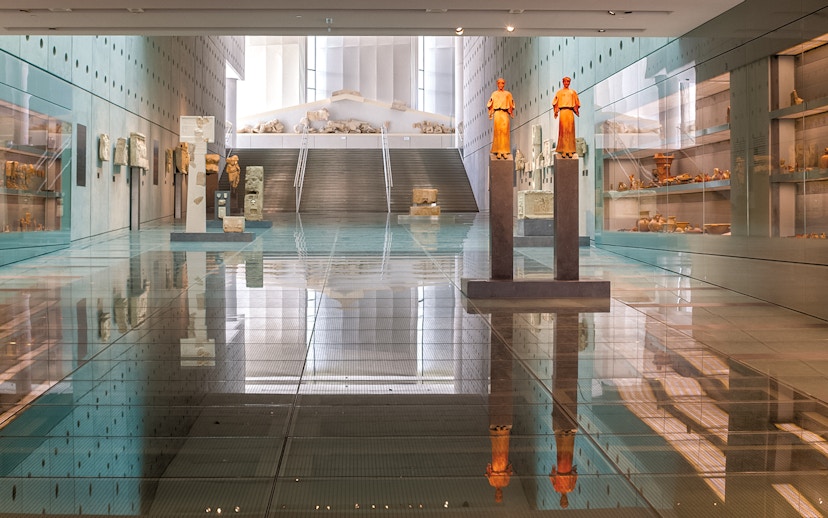
Acropolis & Parthenon
Acropolis Museum
Inclusions #
Acropolis & Parthenon
Entry to Acropolis
Audio guide in English, French, German, Italian, Spanish & Chinese
Offline content (text, audio narration & maps)
Acropolis Museum
Entry to Acropolis Museum
Self-guided audio tour for your smartphone (Android & iOS) in English, German, French, Spanish, Italian & Greek
Offline content (text, audio narration & maps)
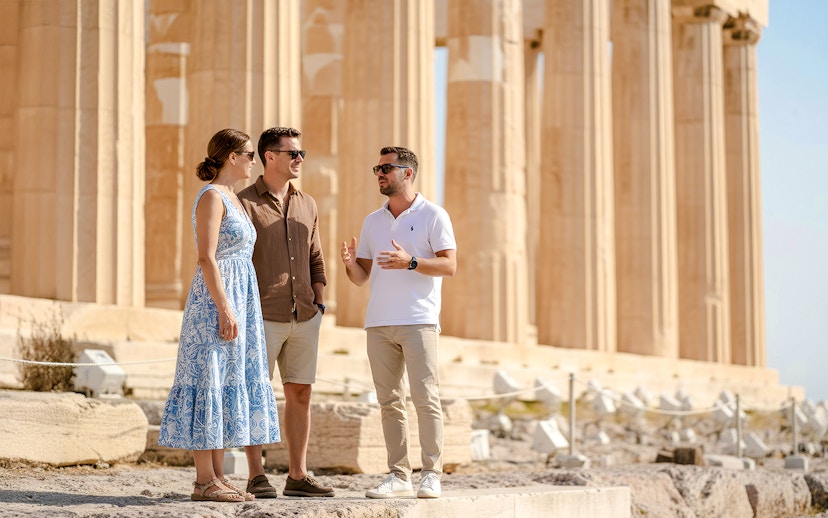
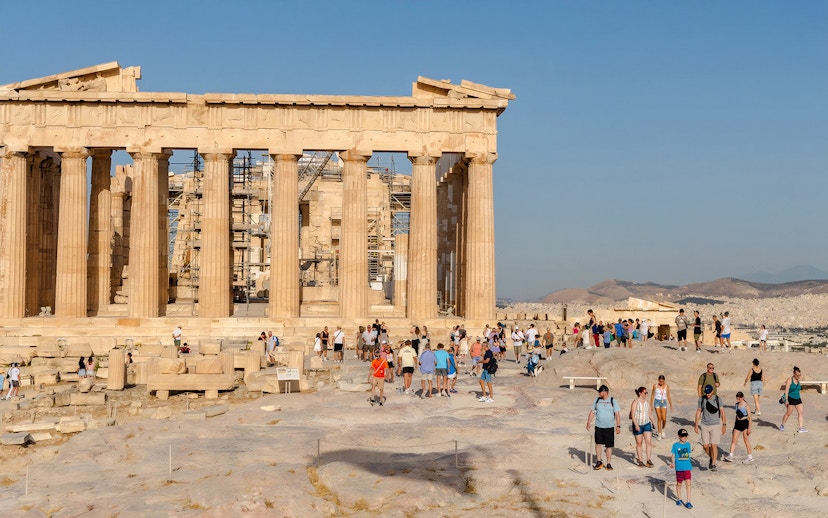
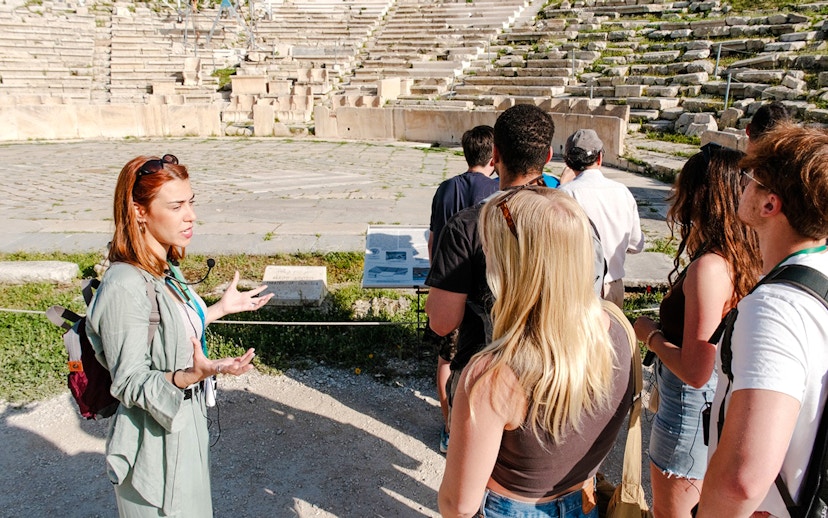
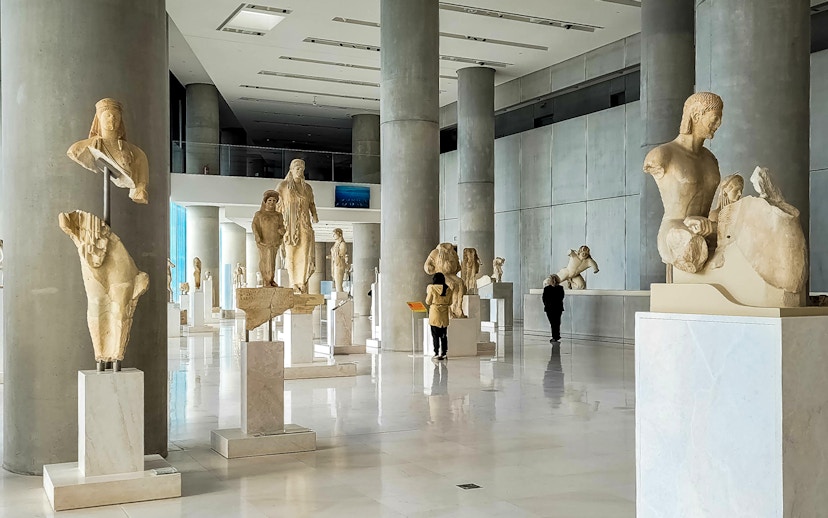

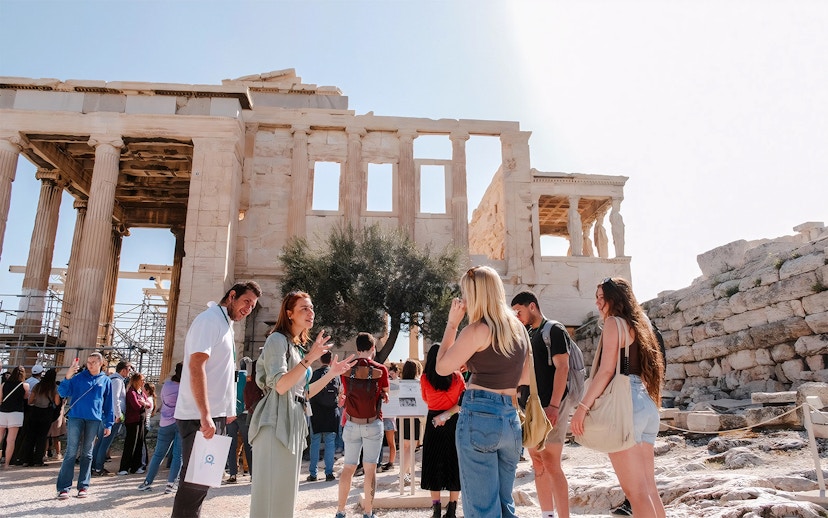
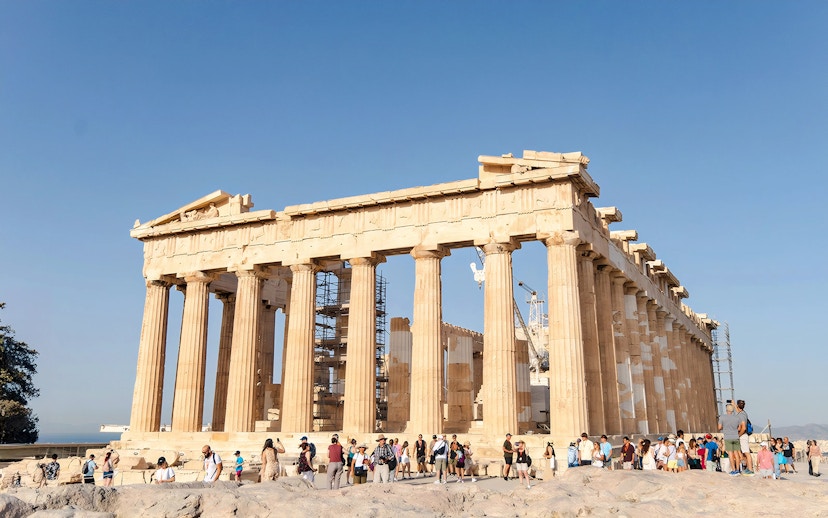
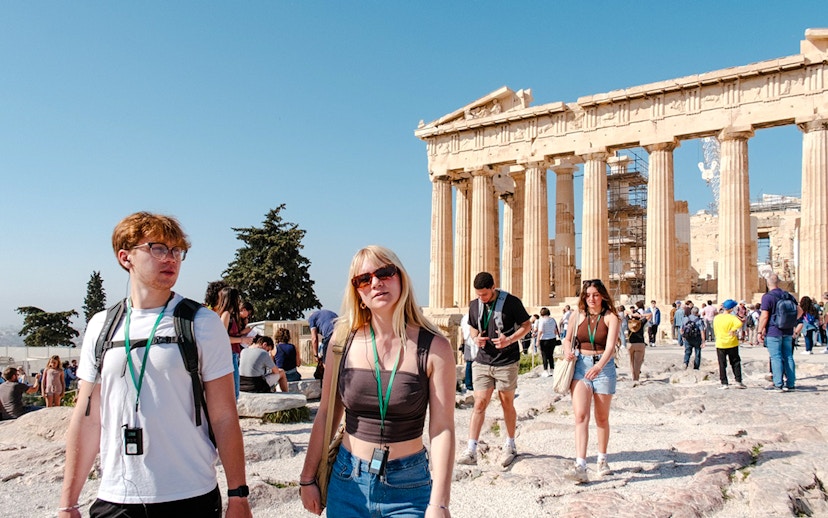
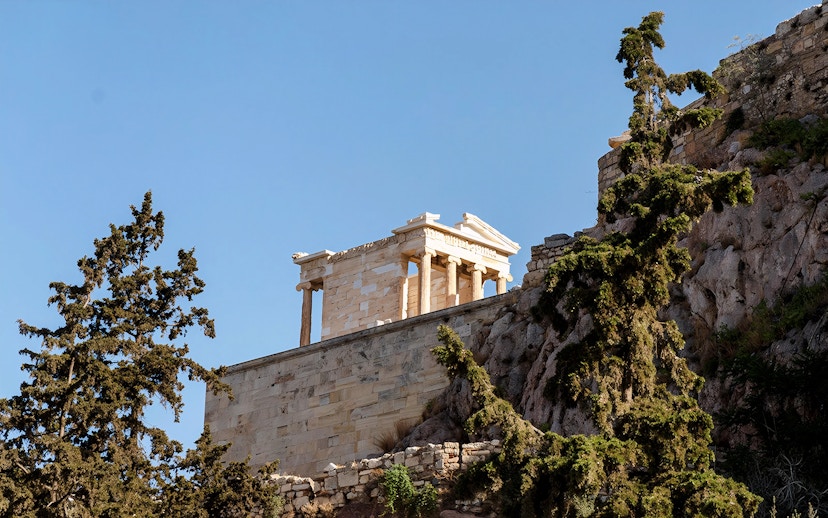
Enjoy a multilingual guided tour, offering in-depth insights into Athens' top landmarks in a small group of 20. Customize your experience with optional add-ons.
Inclusions #
Guided tour of the Acropolis & the Parthenon
Entry to the Acropolis archaeological site
Entry to the Acropolis Museum (as per option selected)
Entry to the Temple of Poseidon (as per option selected)
English, Spanish, French, German, or Italian-speaking guide (as per option selected)
2-hour Acropolis & Parthenon small group tour (as per option selected)
3.5-hour Acropolis & Acropolis Museum small group tour (as per option selected)
3-hour private Acropolis guided tour (as per option selected)
Old Town (Plaka) neighborhood guided walking tour (as per option selected)
Round-trip luxury AC bus transfers (as per option selected)
Lunch (as per option selected)
Attractions covered:
The Acropolis
The Parthenon
Temple of Athena Nike
Odeon of Herodes Atticus
Theater of Dionysus Eleuthereus
Erechtheion
Propylaea
Acropolis Museum (as per option selected)
Temple of Poseidon (as per option selected)
Ancient Agora (as per option selected)
Stoa of Attalos (as per option selected)
Museum of the Ancient Agora (as per option selected)
Temple of Hephaestus (as per option selected)
Old Town (on private tour)
Exclusions #
Pick-up and drop-off facilities
Acropolis entry tickets (on private tour)
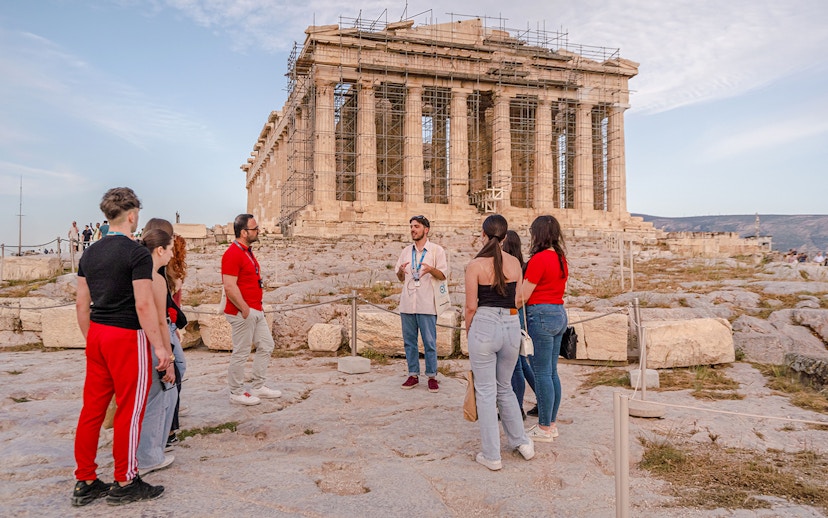
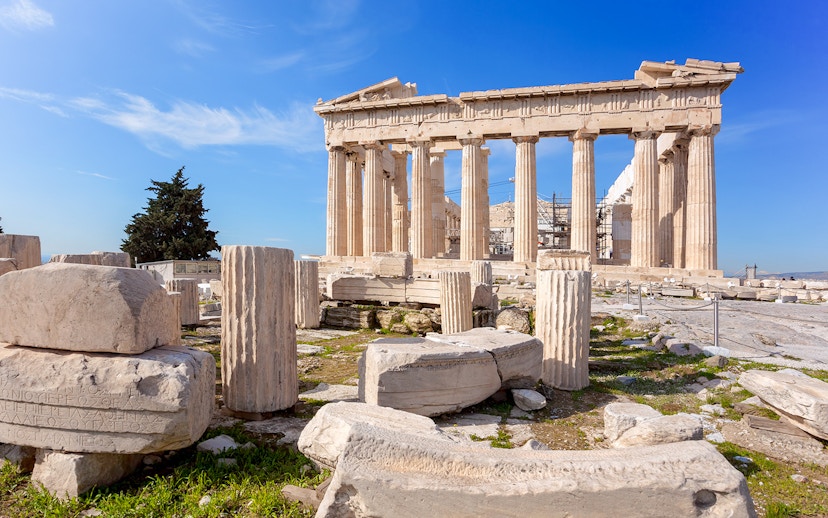
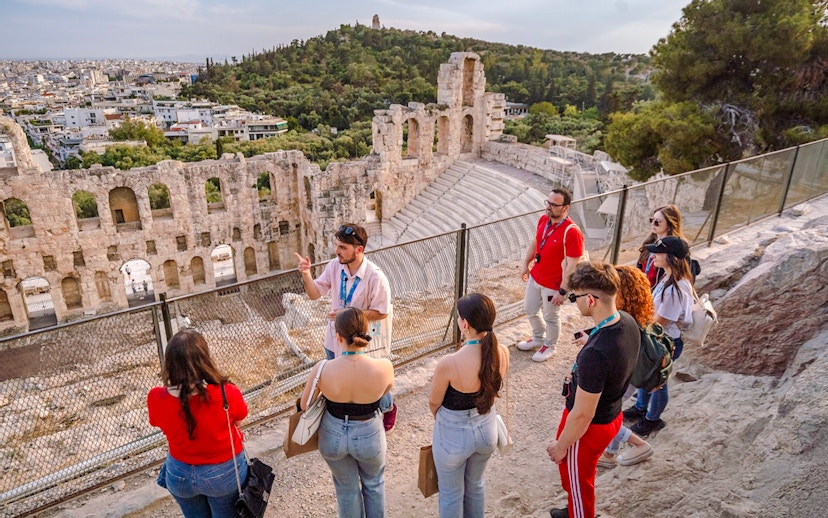
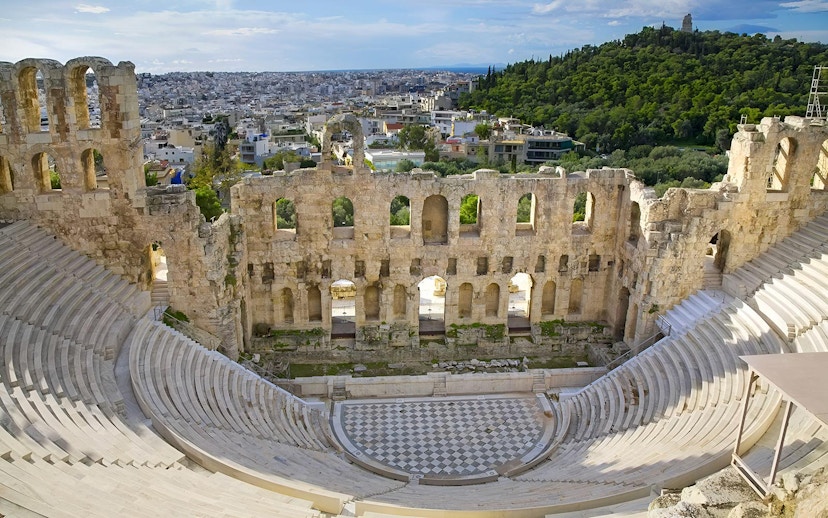



Acropolis Museum
Acropolis
Acropolis Museum
Acropolis
Acropolis Museum
Acropolis
Acropolis Museum
Acropolis
Acropolis Museum
Acropolis
Inclusions #
Entry to the Acropolis & Parthenon on the selected date and time slot
Entry to the Acropolis Museum
2-hour walking tour of the Acropolis
1.5-hour walking tour of the Acropolis Museum
Expert English-speaking guide (as per option selected)
Expert Spanish-speaking guide (as per option selected)
Exclusions #
Hotel transfers
Skip-the-line entry
Use of the elevator at Acropolis Hill
Food and drinks
Personal expenses


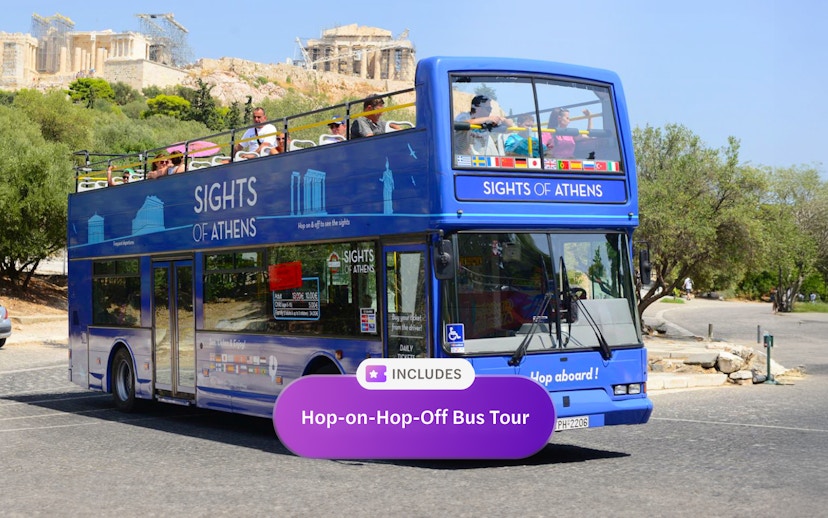
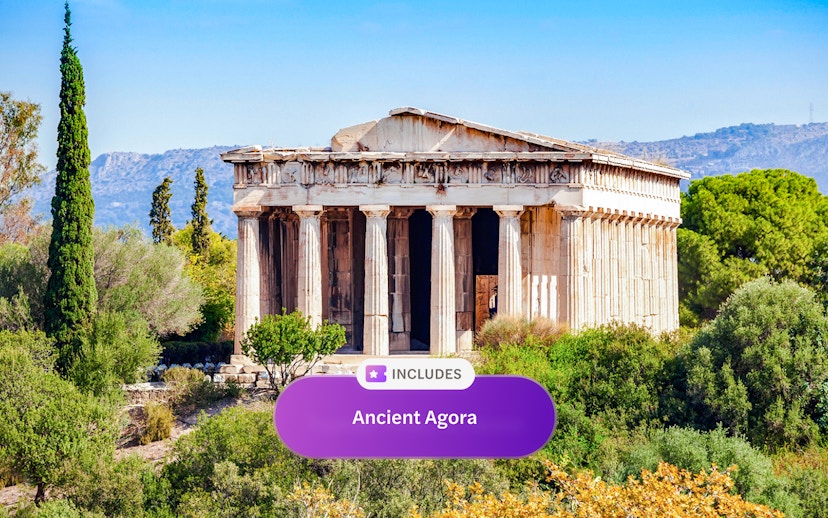
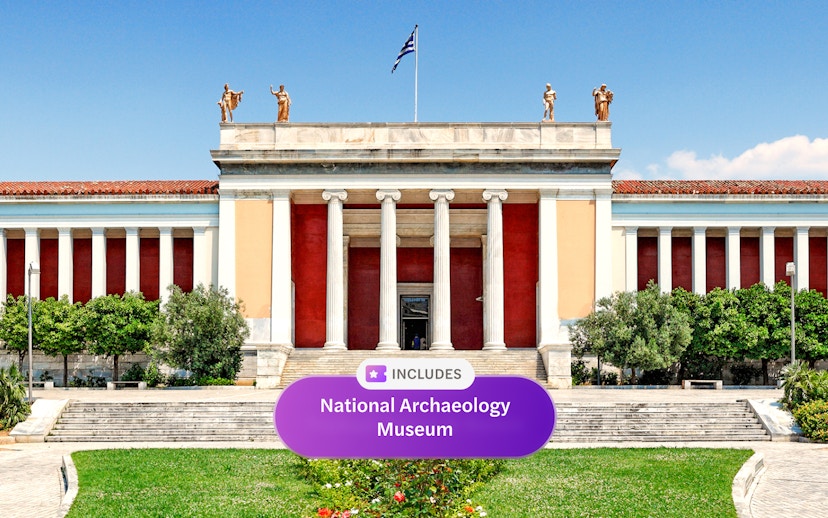
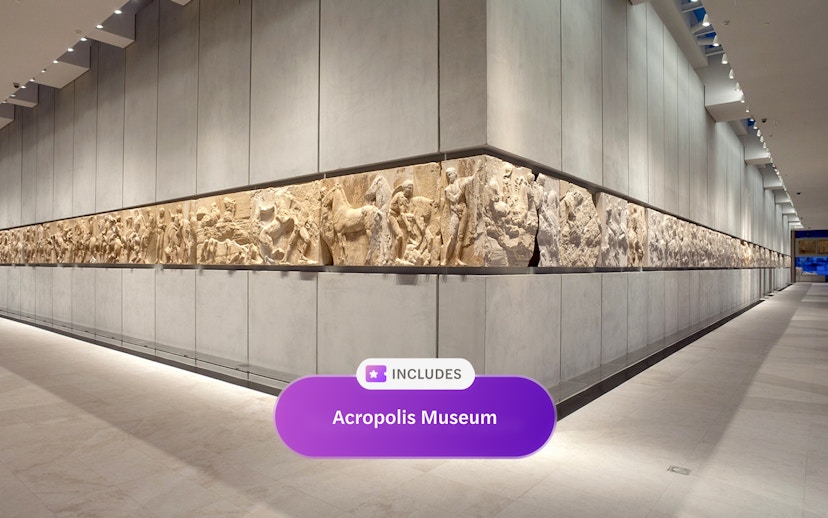
Inclusions #
Validity: 7 days from your selected start date
What’s covered:
Entry to the Acropolis and Parthenon with a self-guided audio tour on your selected date and time
2-day hop-on hop-off bus tour across Athens, Piraeus, Glyfada & Vouliagmeni
3 GB eSIM data for easy navigation
Multilingual audio guides in English, German, Italian, Spanish & French
Additional attractions to choose from (Classic +1, Premium +2, & Deluxe +3):
Museums: Acropolis Museum (entry & audio guide), Ancient Agora (entry & audio guide), and National Archaeological Museum
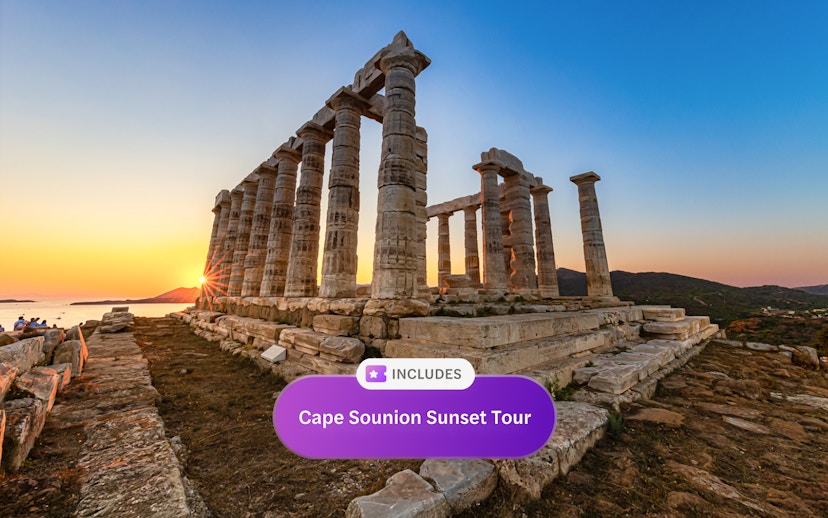
Guided day tours: Temple of Poseidon sunset visit (entry not included), Ancient Corinth full-day trip with canal visit & VR guide (entry not included), Delphi day trip with VR audio tour (entry not included)
Live experiences: Medea and Other Friends I Made in Athens
See the complete list of attractions here
Exclusions #
Delphi archaeological site entry tickets (approx. €20)
Temple of Poseidon entry tickets (approx. €20)
Ancient Corinth entry tickets (approx. €15)